


THANK YOU FOR SUBSCRIBING
Electric vehicles, semiconductors, and next-generation manufacturing may seem like distinct sectors, but they share a critical foundation: the need for high-performance materials. Nippon Tungsten is at the heart of this convergence, a company that has been quietly transforming the material sciences landscape for nearly a century. As global competition intensifies, industries seek ways to enhance factory productivity and efficiency. To meet this demand, companies need durable, high-performing, and reliable materials customized for specific applications. Nippon Tungsten addresses these needs by leveraging its deep expertise in powder metallurgy, ensuring superior material performance across diverse industries. Founded on innovation in tungsten filament technology, Nippon Tungsten has continually expanded its capabilities— introducing ultra-conductive tungsten copper, high-strength tungsten carbide, and specialized ceramics now integral to mission-critical systems. Each new development reflects the company’s enduring commitment to pushing the boundaries of what advanced materials can achieve. “Our expertise goes beyond fine ceramics. Decades of research in powder metallurgy have allowed us to develop materials with exceptional durability and performance,” says Shinji Goto, President of Nippon Tungsten. A Key Player in Hard Disk Drive (HDD) Manufacturing When it comes to data storage, the performance of hard disk drives (HDDs) hinges on the quality of their components. Nippon Tungsten has been at the forefront of this domain, delivering advanced materials that enhance the durability and precision of HDDs. A standout innovation from Nippon Tungsten is its hard disk magnetic head substrate, crafted from a composite of alumina and titanium carbide (TiC). Initially developed for cutting tools, this material was later optimized for the HDD industry, offering exceptional wear resistance and stability. During the industry’s shift from bulk head to thin ceramic substrate in the 1970s—a transition paralleling semiconductor manufacturing techniques—Nippon Tungsten’s material was recognized for its superior properties, establishing the company as a key supplier.
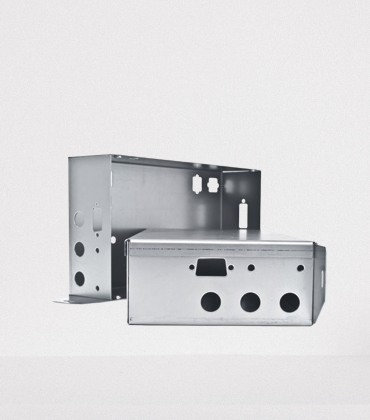
The ability to mold, adapt and evolve is what propels businesses to serve diverse industries with precision. Elias Custom Metal Fabrication Ltd. (ECM) has been following this principle for over three decades, giving them the expertise to work with a wide range of materials and cater to different industry verticals. Drawing on its decades of experience, ECM is well-positioned to tackle challenges that emerging companies haven’t even encountered yet. It essentially acts as a one-stop shop, tailoring solutions to the tee. Their expertise in engineering, production and logistics allows the company to offer end-to-end solutions—from design assistance and cost analysis to prototyping and full-scale production. “Our strength lies in versatility, driven by our expertise in utilizing diverse materials. This enables us to manufacture a wide range of products for multiple industries while meeting the specific demands of each sector,” says Fadi Emeid, founder. Team ECM is proficient in helping clients fine-tune their product designs for higher efficiency and cost savings. They work closely with the clients, guiding them from the initial concept development to production. The team carefully selects materials to meet project requirements, ensuring structural integrity at every turn. Once the designs are finalized, the company brings them to life with precise fabrication techniques. Precision is key, and with laser cutting and brake forming, it delivers metal components that fit clients’ specifications—ideal for architectural projects, commercial builds and custom retail fixtures. Its powder coating, polishing and other finishing offerings complement the fabrication process. This slew of services guarantees resistance from corrosion, minimal wear and tear, protection against environmental damage while also enhancing visual appeal. The result? Products that are ideal for high-end retail and architectural applications.

In a fast-changing world, staying competitive demands innovation at every stage of a product’s lifecycle. PTC stands at the forefront of this transformation, empowering businesses across industries to design, produce and maintain their products with precision and efficiency. From planes and medical devices to wind turbines and computers, its software solutions streamline engineering, manufacturing and operations to enable the creation of smart, connected products. Above all, PTC fosters collaboration, drives sustainable design, boosts service lifecycles and ensures customers are well-equipped to lead in a rapidly evolving landscape. “We will be disciplined and unemotional when it comes to prioritizing our time and resources on the products and product integrations that will create the most value for our customers. To use an analogy, we plan to put more wood beyond the most important arrows to ensure we drive the best outcomes for our customers,” says Neil Barua, President and CEO. Weaving The Digital Thread Originally focused on parametric design, PTC grew into a comprehensive provider of solutions spanning computer-aided design (CAD), product lifecycle management (PLM), application lifecycle management (ALM), augmented reality (AR) and the industrial Internet of Things (IIoT). These domains exemplify PTC’s commitment to equipping businesses with the tools and technologies needed to thrive in today’s competitive landscape. At the heart of PTC’s philosophy is ‘the digital thread’ that connects data, systems and stakeholders across the entire product lifecycle to create a unified, authoritative source of truth. In essence, its holistic approach facilitates real-time collaboration, reduces errors and enhances decision-making processes by ensuring that all relevant information is accessible and actionable. Beyond operational efficiency, the digital thread fosters innovation by equipping teams with insights and tools to iterate quickly and bring new ideas to market. This approach is complemented by its software solutions, which allow PTC to streamline every step of the journey, from initial design to end-of-life product management and ensure businesses can confidently meet their goals. Smart Solutions For A Connected Tomorrow PTC’s diverse and powerful portfolio caters to industries ranging from manufacturing and healthcare to aerospace and automotive. Its CAD solutions, including Creo and Onshape, are synonymous with precision and creativity. The company’s flagship 3D CAD software, Creo, equips engineers to design, simulate and optimize complex products with unparalleled accuracy. Meanwhile, Onshape, a cloud-native CAD platform, transforms product development through realtime collaboration and remote access. In the realm of PLM, Windchill, a powerful PLM software solution, provides a secure platform for managing product data and processes, enabling seamless collaboration across teams and geographies. For companies seeking a cloudbased approach, Arena, PTC’s cloud-native solution for PLM and Quality Management Systems (QMS), integrates PLM with quality management systems, offering an intuitive solution for streamlined operations. Similarly, PTC’s ALM solution, Codebeamer, supports industries like healthcare and automotive by integrating workflows and ensuring traceability to meet stringent regulatory requirements.

Stewart Johnstone, Vice President Asia, Adient [NYSE: ADNT]

Andrew J. Wong, Head of Business Development, APAC, Continental Mobile Robots

David So Man Fung, Senior Vice President, SIA Engineering Company [SGX: S59]
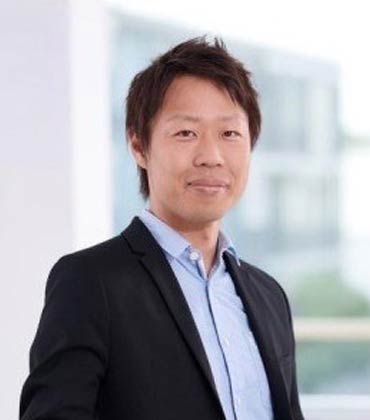
Yohei Watanabe, Head of Marketing Asia Pacific & Japan, Global Marketing, Elekta

Andreas Kurz, Global Head of Digital Transformation, ALFAGOMMA Group
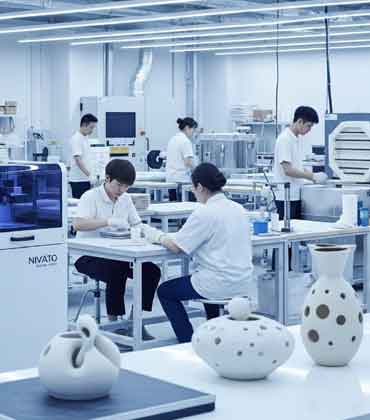
The APAC fine ceramics industry is adopting sustainable practices through innovations such as 3D printing, resource circularity, and water conservation, thereby ensuring a greener future while addressing global material.
New Horizons in Manufacturing Excellence
In the fine ceramics sector, manufacturers continue to push performance limits, delivering materials that excel in the most demanding applications. Custom metal fabrication has advanced in parallel, with companies embracing technologies such as laser cutting, additive manufacturing, and robotic welding to produce highly specialized components for industries ranging from aerospace to construction.
Equally transformative is the growing importance of product life cycle management. As businesses seek greater efficiency and sustainability, managing every stage of a product’s life, from design to disposal, has become a critical competitive advantage.
In this edition, we spotlight top companies in fine ceramics, custom metal fabrication, and product life cycle management, each setting new benchmarks in performance, precision, and sustainability. Together, they reflect a shift toward integrated, highefficiency manufacturing ecosystems.
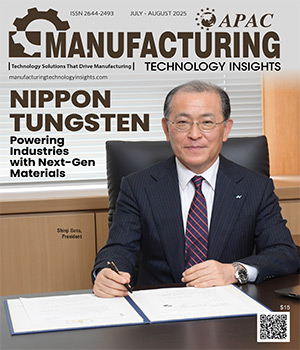
On the cover, we feature Nippon Tungsten as the Fine Ceramics Manufacturing Company of the Year in APAC. It has demonstrated an unwavering commitment to delivering top-tier materials for the automotive, aerospace, and medical technology industries. By blending innovation with precision engineering, Nippon Tungsten ensures that every product meets the highest durability and reliability standards.
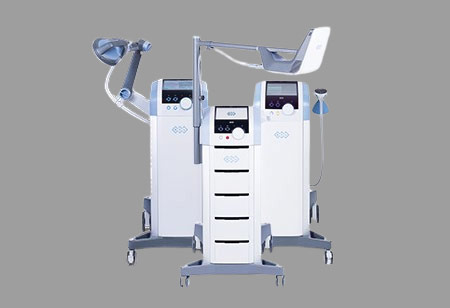
We also bring you expert perspectives on the key drivers behind manufacturing success. Stewart Johnstone, Vice President Asia at Adient, shares how lean manufacturing and a decentralized business model enable agility and reduce waste. Yohei Watanabe, Head of Marketing Asia Pacific & Japan, Global Marketing at Elekta, explores the impact of AI-driven technologies and personalized radiation therapy on patient care across the Asia Pacific & Japan.
As the manufacturing landscape continues to evolve, integrated approaches across people, technologies, and systems are shaping the industries of tomorrow. We invite you to explore the innovations and insights shared in this edition and to be part of the evolving future of manufacturing.

Manufacturing Technology Insights Weekly Brief
Be first to read the latest tech news, Industry Leader's Insights, and CIO interviews of medium and large enterprises exclusively from Manufacturing Technology Insights
